Skip to content
whatmakesyoumove?

Draft translation — the English texts are awaiting final approval.

About me

I am a Feldenkrais practitioner and a cognitive scientist — two paths that have belonged together for me for a long time.

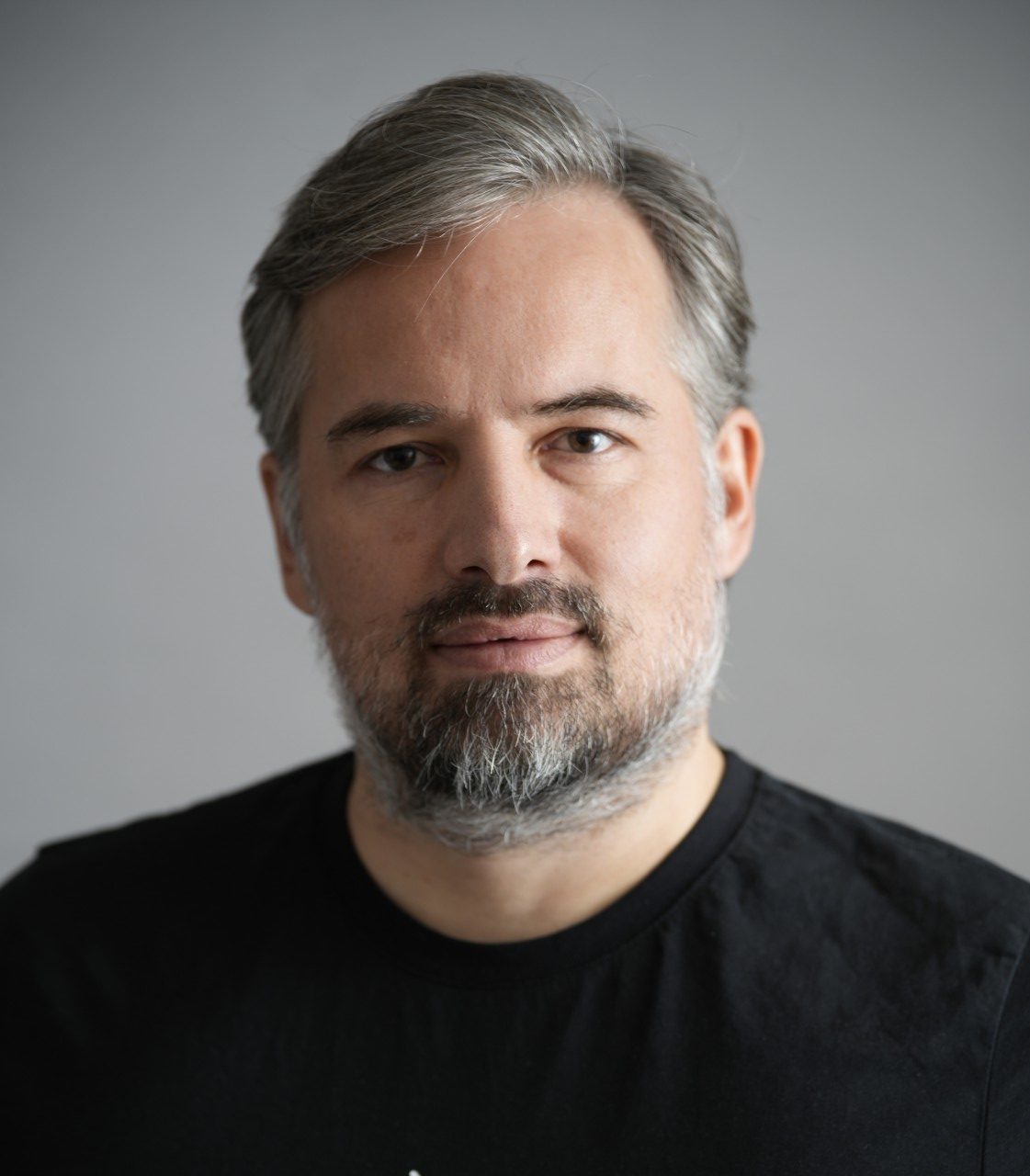
Stefan M. Schneider, Feldenkrais-Praktiker in Vienna

Who I am

I am concerned with the question of how body, perception and consciousness are connected — practically as a Feldenkrais and Taichi teacher, scientifically as a cognitive scientist at the University of Vienna. My doctoral thesis is devoted to imagination (mental imagery) and how it is anchored in the body; alongside that I accompany people in practice in sensing precisely this connection again — currently with a particular focus on neurodegenerative conditions such as Parkinson's.

This dual perspective matters to me: I do not only talk about movement, I stand in the middle of it myself every day.

Background in brief

Cognitive Science

B.Sc. and M.Sc. at the University of Osnabrück. Doctorate at its Institute of Cognitive Science on “Imagination and mental imagery — the dynamics of embodied representation”. At the University of Vienna since 2020 at the Cognitive Science Hub, most recently as Co-Principal Investigator of the FWF project “Creative Conversations with Materials”; previously Associate Researcher in the FWF project on the microphenomenology of intercorporeal synergy practices. (Draft translation)
Feldenkrais and Taichi

Certified Tai Chi Chuan teacher. In Feldenkrais training, currently holding a teaching licence for Awareness Through Movement lessons; the Functional Integration training is being completed. Field research on somatic movement practices: Feldenkrais, Gaga Dance, Taichi and Ideokinesis. (Draft translation)

Fine art

MA in Fine Arts in painting at the Kunstakademie Düsseldorf; collaboration with the writer and cyberneticist Oswald Wiener since 2001, several joint publications — this artistic background still informs my understanding of perception and movement today

Internationally shaped

grew up and worked in Paris, Birmingham, Cairo and Tel Aviv among others, at home in Vienna for some years now

For the full academic CV:

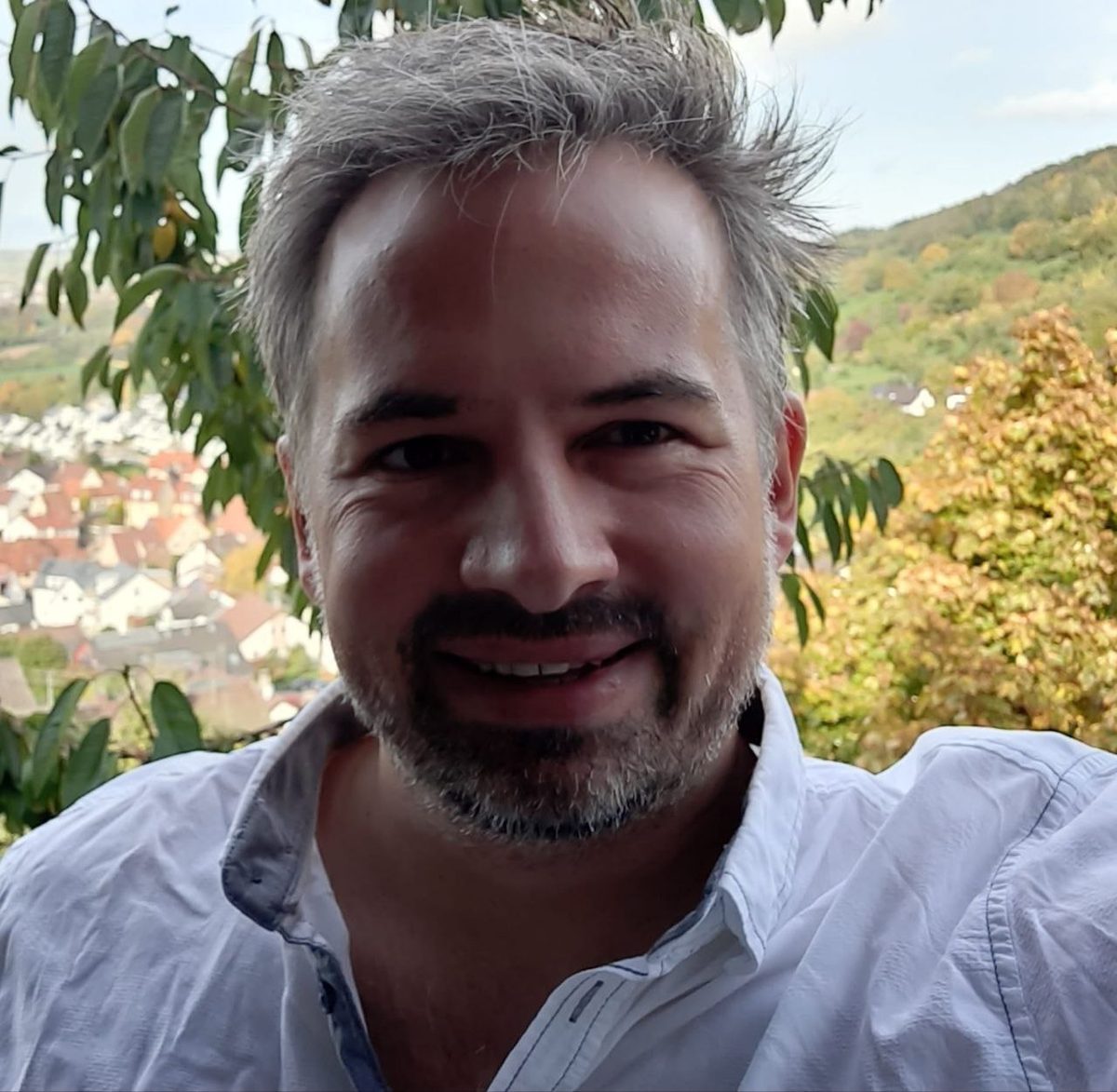
Stefan M. Schneider outdoors

Publications

My research examines what happens in perception and body when movement is guided through language — precisely what happens in every Feldenkrais lesson. (Draft translation)

  • 2026 · Schneider, S. M., & Kimmel, M.

    „Mind Your Own Business“: Taichi Synergies From Individual Coordination To Collective Physics

    Journal of Expertise

  • 2026 · Anderwald, R., Grond, L., & Schneider, S.

    Moving Bodies, Concepts, and Understanding

    The Journal of Somaesthetics

    https://doi.org/10.54337/ojs.jos.v11i2.10827
  • 2024 · Kimmel, M., Schneider, S. M., & Fisher, V. J.

    „Introjecting“ imagery: A process model of how minds and bodies are co-enacted

    Language Sciences, Band 102

    https://doi.org/10.1016/j.langsci.2023.101602
  • 2022 · Schneider, S. M.

    Intercorporeal synergy practices — perspectives from expert interaction

    in: Collaborative Embodied Performance (Buchkapitel)

    https://doi.org/10.5040/9781350197725.ch-010
  • 2019 · Schneider, S. M.

    Bodily experience in somatic movement practices

    Dance & Somatic Practices, Coventry University

  • 2015 · Schneider, S. M.

    Vorstellen als räumlich-zeitliches Konstruieren

    in: Selbstbeobachtung — Oswald Wieners Denkpsychologie (Buchkapitel)

Full list of 18 publications on ORCID → https://orcid.org/0000-0002-0724-8282

Why I take this path

The title of my site has a story of its own: “What makes you move?” was the title of a multi-part seminar I taught at the University of Osnabrück — on conscious anticipation, the moving body, sensing and deliberate practice. The question has not let go of me since, except that today I no longer ask it only in the seminar room but in practice: what makes you move — literally and figuratively? And how do we find that out together when illness, pain or simply the routine of everyday life has buried that connection?

This is part of me too

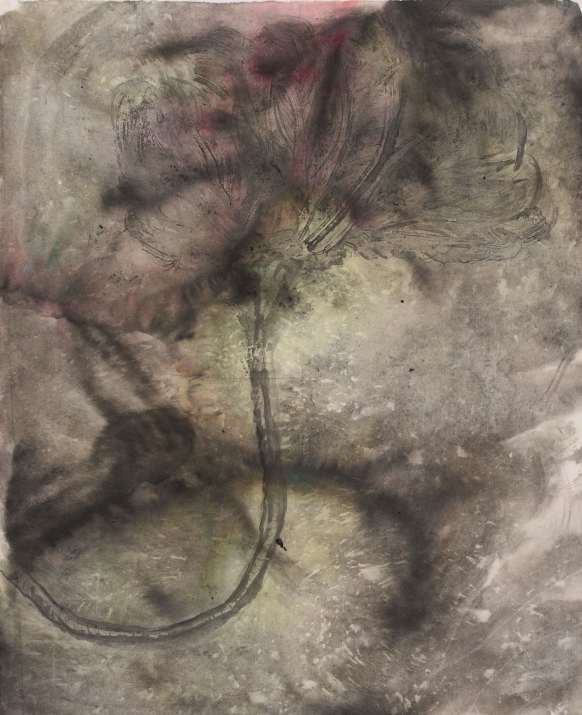
Alongside my movement work I paint — inspired by space, speed, physicality and the connection of all living things. At present this is an independent, separate part of my work and not part of my Feldenkrais offer — but it perhaps explains why I never understand movement as merely technical, but always also as something creative.